Blogs

What The Customs Revenue Benchmarking Database Will Do For International Trade
In modern trade, a Customs Revenue Benchmarking Database seems to be the Holy Grail that several nations seek.
Distribution Center: What It Is and How It Works
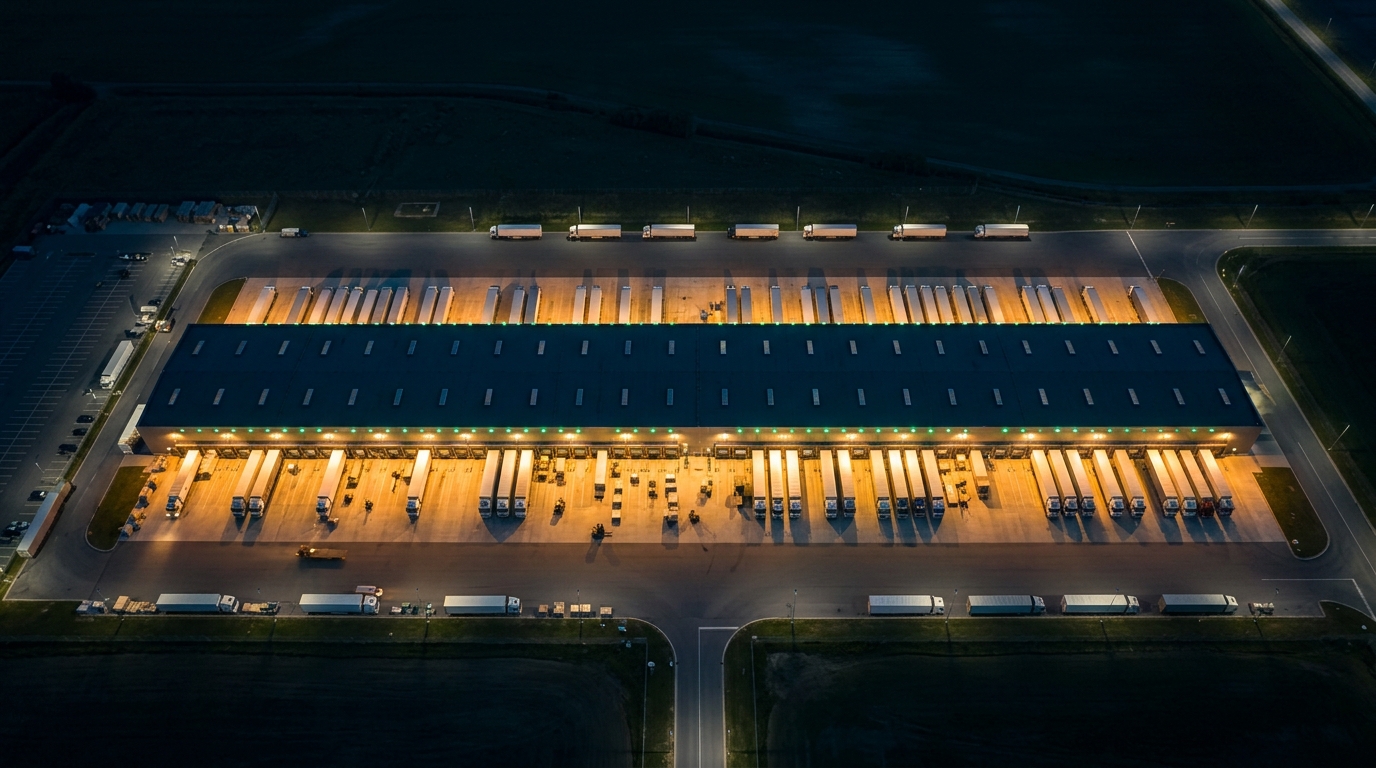
Behind every fast delivery is a facility built not to store goods, but to move them. That facility is the distribution center. A distribution center is a logistics facility used to receive, store briefly, process, and ship finished goods to retailers, wholesalers, or end customers. Unlike traditional warehousing, it is designed around product flow rather than long-term storage, which is what makes rapid order fulfillment possible. For any business moving physical goods at scale, understanding how a distribution center works is central to understanding modern supply chains.

Drone Delivery: How It Works, Who Leads the Market, and What It Means for Global Logistics
Drone delivery is no longer just an idea. In 2026, real companies are using drones to deliver packages, food, and medicine to customers every day. Zipline, Wing, Amazon Prime Air, and Flytrex all fly commercial routes, and Walmart now runs one of the largest drone delivery networks in the US. Zipline alone has made more than 2 million deliveries. This guide explains how drone delivery works, who leads the market, what rules apply, and what it takes to import the drones themselves.
EEI Filing (Electronic Export Information): What It Is, Who Must File, and When It's Required
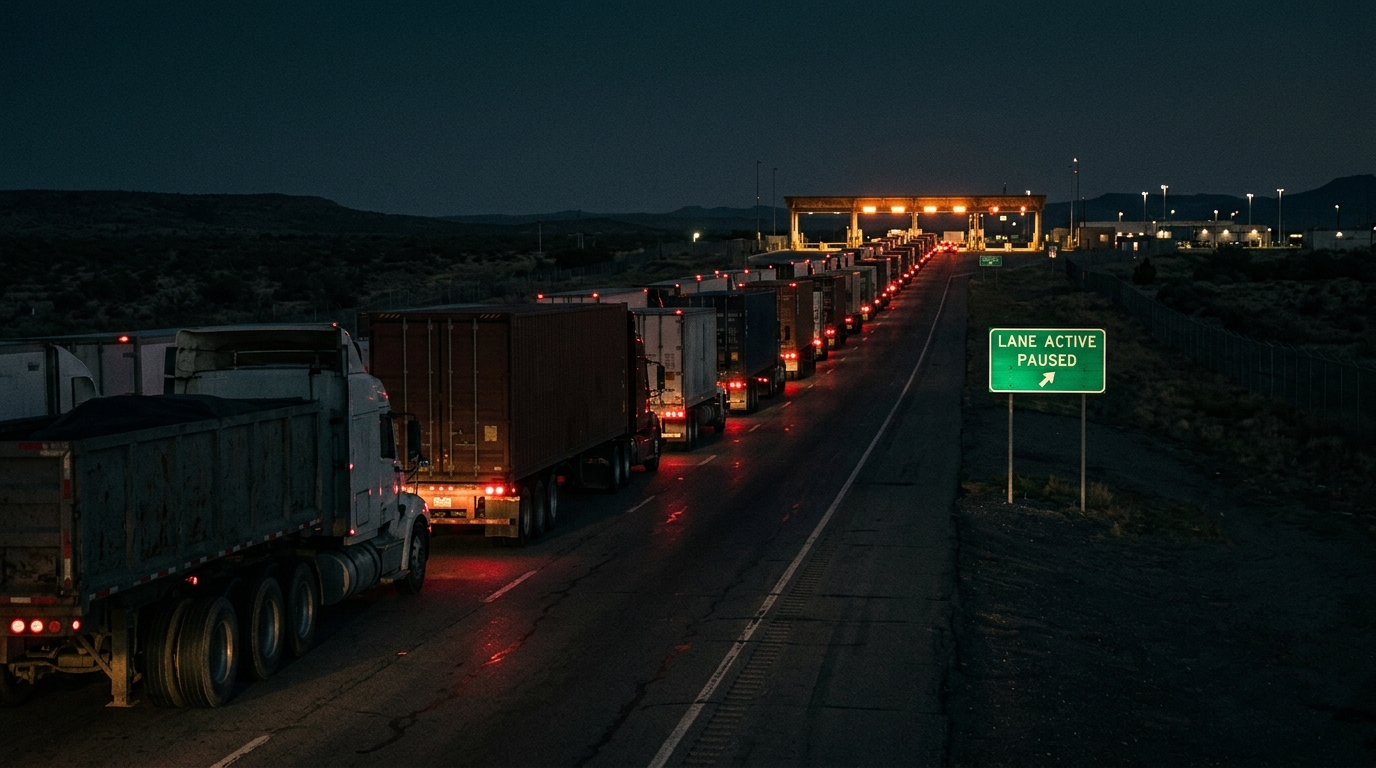
If you are exporting goods from the United States, you are likely required to file Electronic Export Information (EEI) through the US Census Bureau's Automated Export System (AES) before your shipment departs. This is not optional paperwork. Failure to file, or filing inaccurate information, carries civil penalties of up to $10,000 per violation, and the legal responsibility rests with the exporter even when a third party files on their behalf. This guide explains what EEI is, when it is required, who files it, the data it contains, the penalties for getting it wrong, and how iorservice.com manages EEI filing as your Exporter of Record.
Export Control Compliance: What It Is and Why It Matters
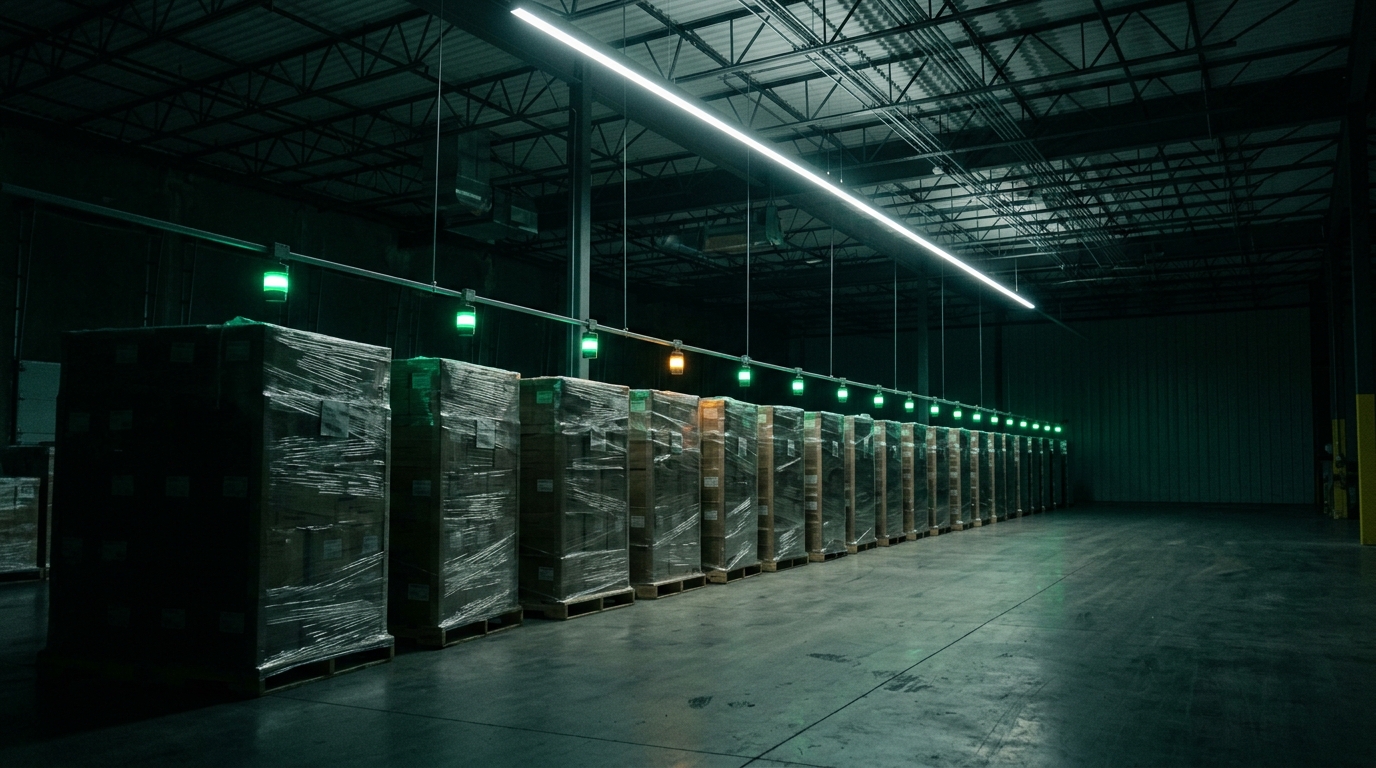
International trade depends on robust export control compliance to ensure that goods, technology, and services do not end up in the wrong hands. Export control compliance means reviewing what you ship, who you ship it to, where it is going, and how it will be used against the export laws that apply before any transfer to a foreign country or foreign person takes place. Get it wrong, and the consequences range from heavy fines to criminal exposure and lasting reputational damage. For businesses moving controlled or high-value technology, this is not a back-office formality. It is a core part of getting goods out the door legally.
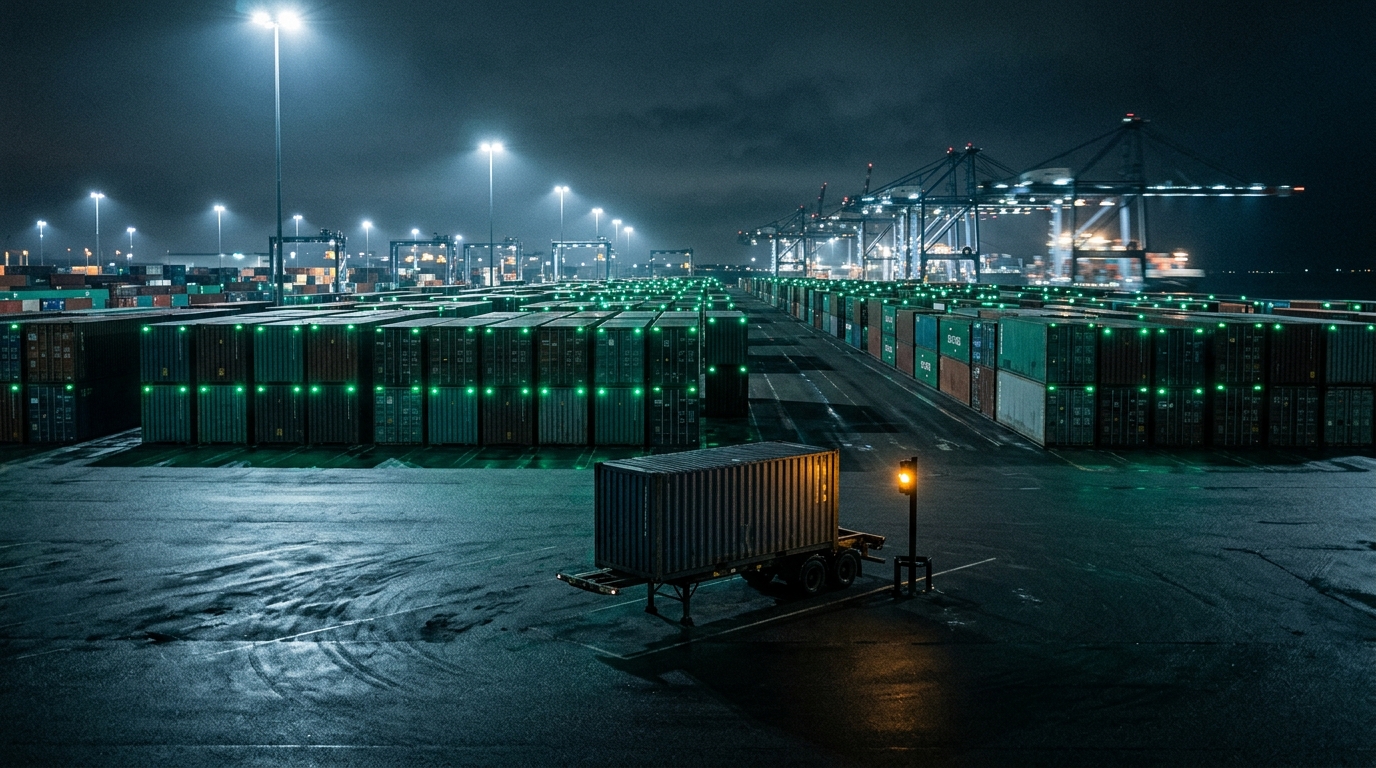
Exporter of Record vs USPPI: What's the Difference?
A shipment of electronics sits in a US port, going nowhere. The buyer is waiting; the paperwork looks complete, yet customs has flagged it because one field lists the wrong party as the exporter. The shipper assumed "exporter" and "USPPI" meant the same thing, and that small assumption became a costly delay. It happens more often than most traders realize, because the two terms sound interchangeable but carry very different responsibilities under US law. This article clears up the difference, explains who files Electronic Export Information (EEI) in AES, and shows exactly who can and cannot serve as a USPPI.