Blogs
What Is an Exporter of Record (EOR)?
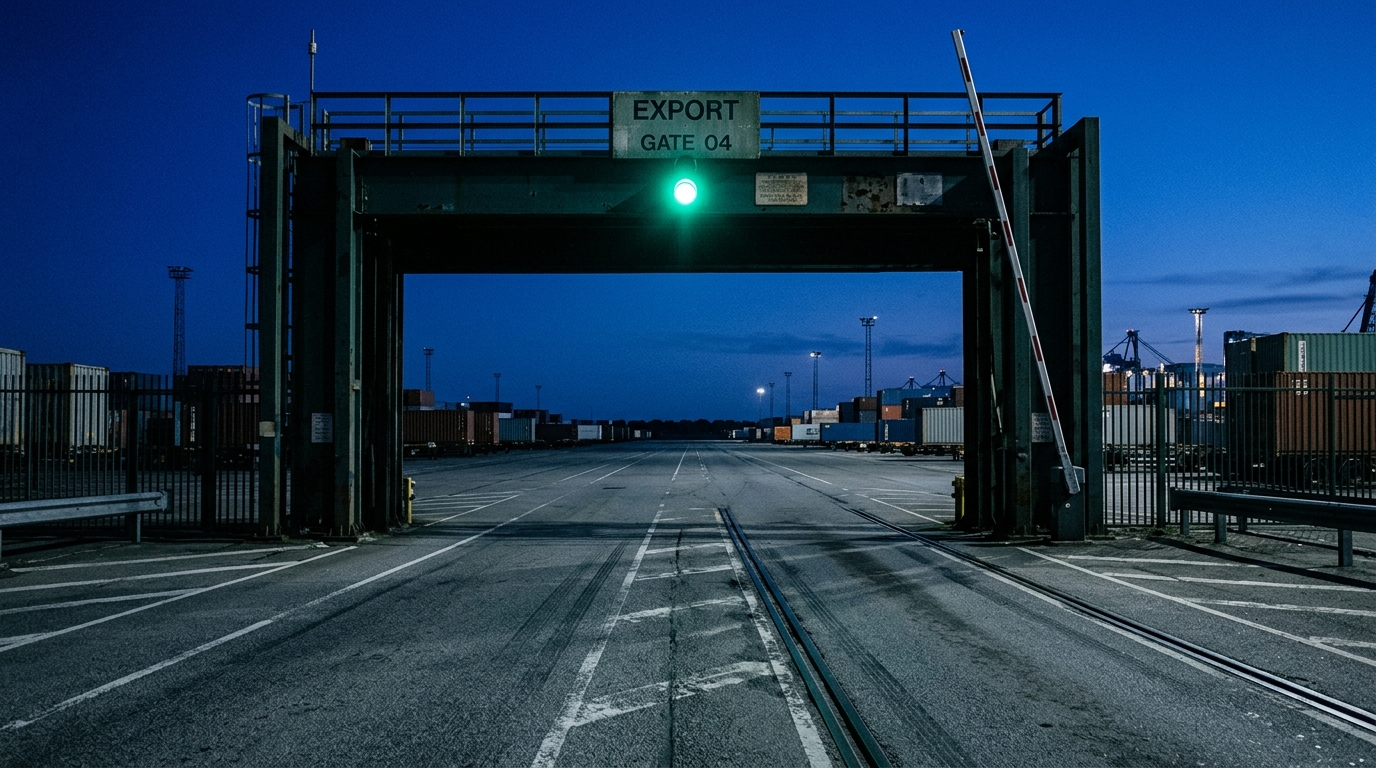
A shipment is packed, labeled, and ready to leave the country, but export clearance stops because no one has been identified as legally responsible for the export. The buyer is waiting, the freight forwarder is booked, and the shipment cannot move until export compliance requirements are addressed. An Exporter of Record (EOR) is the entity legally responsible for ensuring goods are exported in compliance with the laws and regulations of the country of export. This includes product classification, export licensing, restricted-party screening, export filings, and recordkeeping requirements.
What Is an Importer of Record (IOR)?
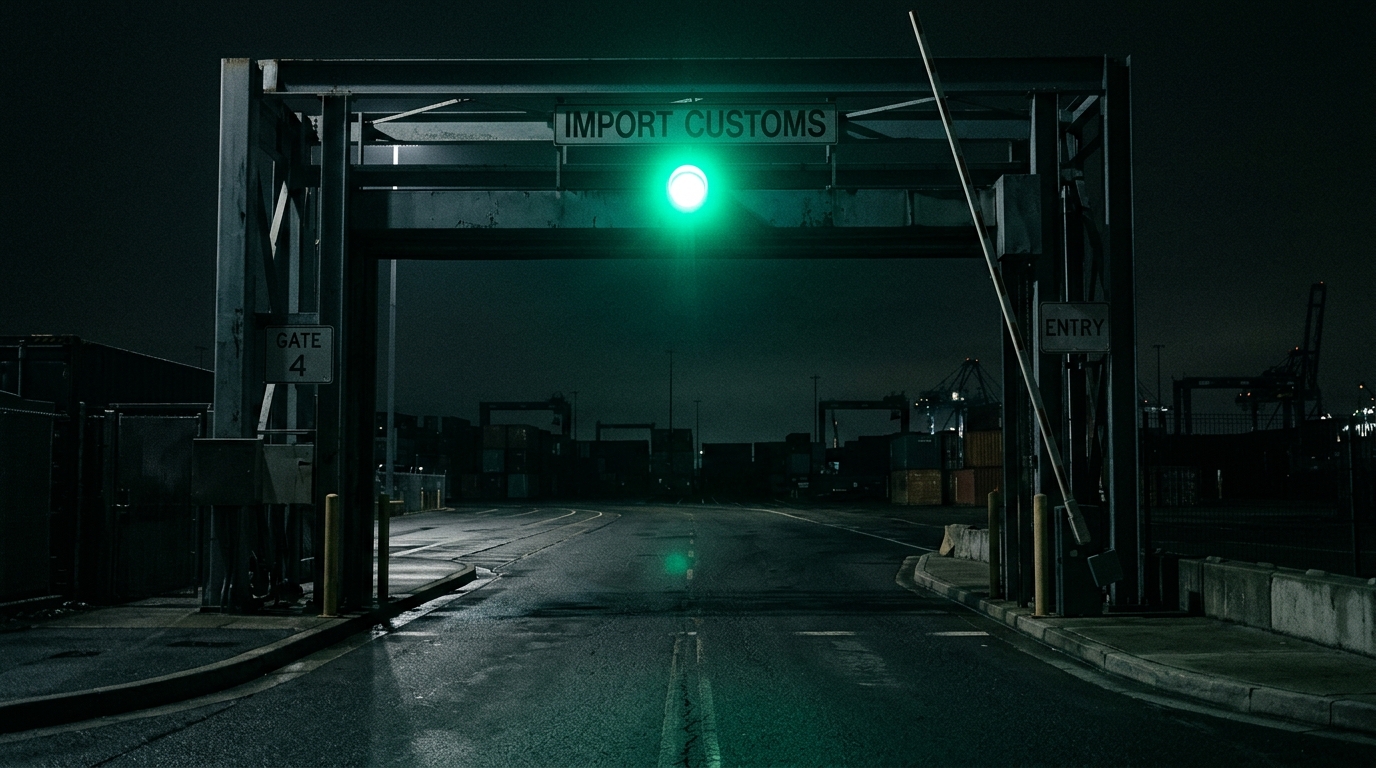
Goods can be packed perfectly, priced correctly, and still sit stuck at a border because no eligible party is named to import them. That missing party is the Importer of Record. An Importer of Record (IOR) is the entity legally responsible for ensuring imported goods comply with the laws and regulations of the destination country, covering customs documentation, duties and taxes, and full compliance before the shipment is released.
Customs Bonds (What They Are & When You Need One)
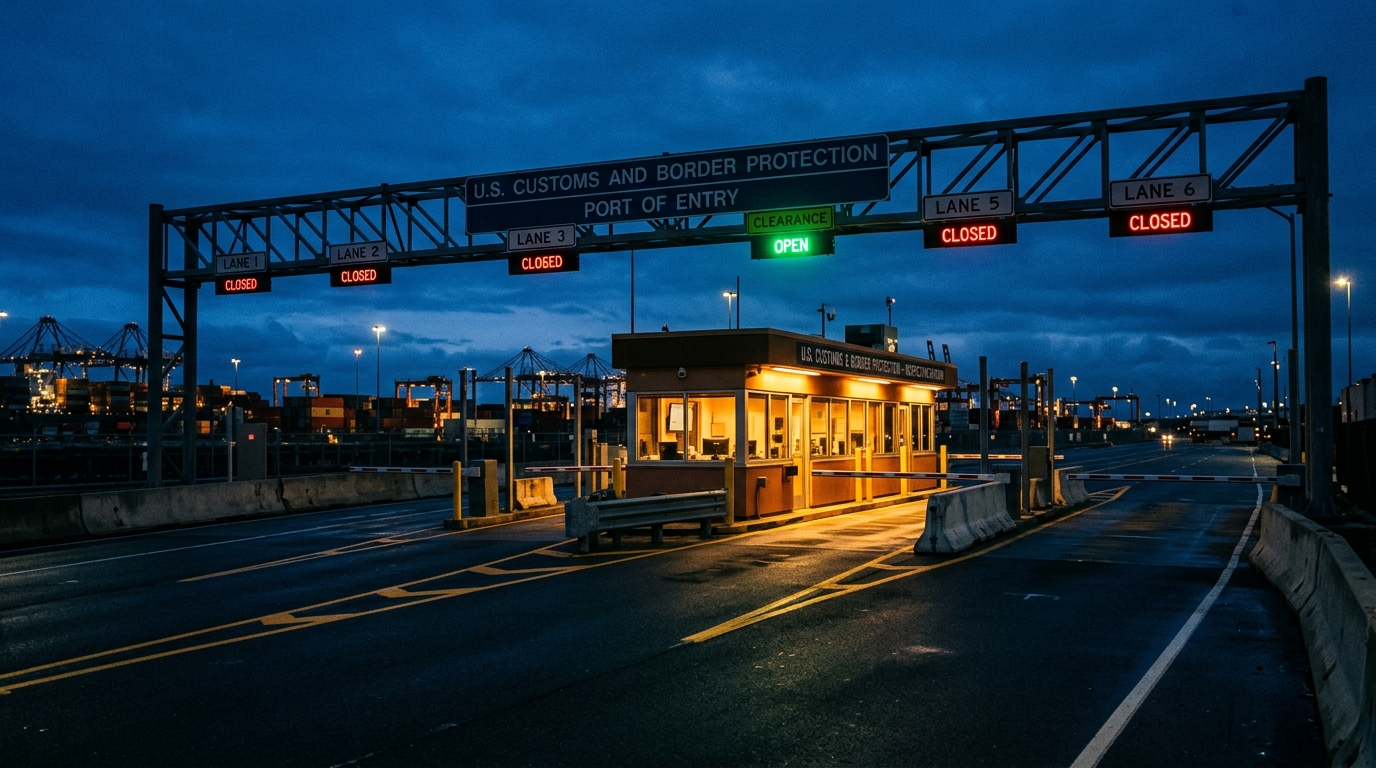
A shipment can be fully documented, duty-paid, and ready for delivery, yet still be held at the border because of one missing requirement: a valid customs bond. In the United States, a customs bond is often required before U.S. Customs and Border Protection (CBP) will release commercial goods. A customs bond acts as a financial guarantee that duties, taxes, fees, and regulatory obligations will be met. When the bond is correctly arranged before arrival, clearance moves smoothly. When it is missing, inactive, or insufficient, shipments can face delays, storage charges, and unnecessary compliance issues.