Shipment Stuck in Customs: How Long Does Customs Clearance Take and What to Do
Most customs holds are documentation problems that can be resolved once you provide the missing information. A smaller number follow a different path because the issue is not the paperwork itself. For commercial cargo, storage, demurrage, and detention costs can continue while the shipment is held.
The key is to identify why the shipment is being held, whether the delay is still within a reasonable range, and whether the party expected to act has the legal standing required to make the customs entry.
Why Is My Shipment Stuck in Customs?
Customs authorities hold cargo when they cannot complete, verify, or release an entry.
The reason is usually one of three things:
Something is missing.
Something is being questioned.
The party expected to make the entry cannot legally do so.
For commercial freight, the most common causes are:
Incomplete or inconsistent documentation
Supply the missing document or correct the discrepancy. Common issues include vague descriptions, missing country of origin, missing classification, or differences between the invoice and entry.
Duties or taxes unpaid
Payment normally resolves an administrative hold. If the declared value itself is questioned, the matter becomes a valuation issue.
Valuation or classification questioned
Supporting invoices, purchase orders, technical specifications, product literature, or other evidence may be required. A reclassification can result in additional duty and may create a protestable position.
Other government agency requirements
Clearance from the relevant agency is required. FDA, EPA, FCC, USDA, and other agencies can impose requirements independently of customs.
Restricted, controlled, or licensable goods
The applicable license, permit, registration, or approval. Without the required authorization, the goods may not be released for entry.
Random or risk-based examination
Time. If the documentation and goods are compliant, the examination itself may cause the delay.
Personal parcels sent through postal channels can follow a different process. This article focuses on commercial cargo moving under a formal customs entry.
How Long Does Customs Clearance Take?

There is no universal customs clearance time. Mode, entry type, port, commodity, agency involvement, examination, documentation quality, and season all affect the result.
The figures below are practical planning benchmarks for straightforward commercial entries with complete documentation, not customs-authority deadlines or guaranteed release times.
They establish a baseline against which you can judge whether a delay is routine or worth acting on.
Clearance Type | Typical Time | Worth Investigating After |
|---|---|---|
Express courier, documents complete | Hours to one working day | Two working days |
Air freight, formal entry, documents complete | One to two working days | Three to four working days |
Ocean freight, formal entry, documents complete | One to three working days after arrival | Four to five working days |
Postal or parcel channel | Several days, occasionally one to two weeks | Two to three weeks |
Entry requiring another government agency | Several days to several weeks | Follow the agency's published timeframe |
Entry under examination | Several days to several weeks | Escalate when the applicable statutory or operational threshold is reached |
A commercial shipment that has moved beyond the expected range without a clear explanation warrants an active inquiry. The absence of a new tracking event does not establish that the entry is progressing, and storage-related costs can continue while cargo remains held.
How Long Can Customs Legally Hold a Shipment?
There is no universal customs clearance time. Mode, entry type, port, commodity, agency involvement, examination, documentation quality, and season all affect the result.
The figures below are practical planning benchmarks for straightforward commercial entries with complete documentation, not customs-authority deadlines or guaranteed release times. They establish a baseline against which you can judge whether a delay is routine or worth acting on.
US Customs Process | Timeframe | What It Means |
|---|---|---|
Release or detention decision | Five business days from presentation for examination | CBP generally decides whether to release or detain merchandise within five business days after it is presented for examination |
Detention notice | Generally within five business days of the detention decision | CBP provides written notice identifying the detention and the applicable information or requirements |
Final admissibility determination | Generally within 30 days from presentation for examination | CBP determines whether detained merchandise will be released, excluded, or otherwise handled under applicable authority |
Deemed exclusion | When the applicable 30-day determination period expires without a final determination | The merchandise is treated as excluded for purposes of the relevant statutory framework |
General Order | Separate process | Merchandise may be transferred to a General Order warehouse when the applicable requirements for GO handling are met |
General Order Is Different From Customs Detention
General Order is not the same thing as a customs detention. It is a separate custody and storage process that can arise when merchandise is not entered in a timely manner or otherwise remains unclaimed under the applicable rules.
For Example
CBP guidance states that merchandise not picked up within 15 days of arrival may be sent to a General Order warehouse, where storage charges accrue. After six months in General Order, the goods may be sold at auction.
These are US-specific rules and should not be treated as a universal customs timeline.
What Happens When a Shipment Is Detained, Excluded, or Seized?
A customs hold is not a legal status on its own. Detention, exclusion, seizure, and General Order describe different stages or actions, and each requires a different response.
Detained means the goods are being held while customs determines whether they can be released or whether further action is required.
Excluded means entry has been denied. In the United States, an exclusion is a customs decision that may carry a formal administrative remedy, including protest where applicable
Seized means the government has taken the goods into custody under seizure authority. A seizure is materially different from an ordinary detention and follows a different legal process
General Order is a separate custody process. Where merchandise is not timely entered or collected, it may be transferred to a General Order warehouse under the applicable rules, where storage charges continue to accrue. If the goods remain in General Order long enough, they may become subject to sale or destruction under the applicable process
The distinction matters because the correct response depends on the shipment's actual status. A request for missing information is not handled in the same way as an exclusion, and neither should be treated as a seizure
What to Do When Your Shipment Is Stuck in Customs
Check the Customs Hold Status and Reason
A tracking message such as “customs delay” is not an explanation. Obtain the entry number, port of entry, current customs status, and any notice issued by customs or another government agency.
Check for Missing Customs Documents or Information
A request may have been sent to the customs broker or the party named on the entry rather than to the person monitoring the shipment. Confirm whether customs requested additional information and who received it
Identify the Importer of Record and Filing Authority
The Importer of Record (IOR) is the party responsible for the customs entry and the applicable import obligations in the destination jurisdiction, including duties, taxes, and other requirements associated with the entry
Where permitted, a licensed customs broker may file the entry as the IOR's authorized agent under the applicable power of attorney
A seller, carrier, or freight forwarder may have important operational roles, but those roles do not automatically give that party the legal authority required to make the destination-country customs declaration
Provide the Required Customs Documents or Evidence
If the problem is a commercial invoice, license, agency filing, classification position, valuation evidence, or another specific requirement, provide the information requested by the relevant authority
Submitting additional documents without addressing the actual reason for the hold does not resolve the underlying issue
Monitor Demurrage, Detention, and Storage Costs
Demurrage, detention, storage, and per diem charges can continue independently of the customs review
As free time approaches its limit, assess the commercial cost of leaving the cargo in place alongside the customs position
Escalate an Unresolved Customs Hold
Obtain the relevant reference number from the carrier, broker, or customs authority and request a formal status inquiry
Keep written records of requests, responses, documents submitted, and deadlines. If the shipment has reached a statutory stage where a formal remedy is available, the importer should pursue that remedy rather than continue waiting for an informal update
When Documents Are Not the Problem: Importer of Record Standing
Every hold above assumes a party exists who can respond. Supply the document, pay the duty, produce the license, and the entry proceeds. A different situation arises when no party to the transaction holds standing to file the entry in the destination country. Supplying another invoice does not help, because the authority still needs a party legally able to make the declaration and there is no one it can be accepted from
The cargo sits, storage accrues, General Order follows at fifteen days, and disposal becomes available at six months. Cargo arriving at a port while the carrier searches for someone to turn the entry over to is exactly this failure, usually recorded as a bill of lading data problem. It is a missing importer of record, and it is why a shipment can have a complete document set and still fail to clear
Documentation Hold | Standing Failure | |
|---|---|---|
What is missing | A document, payment, license, or explanation | A party with the required legal standing to file the entry |
Who can resolve it | The IOR or authorized broker | An appropriate party must be established |
Typical duration | Often hours to days once identified | Potentially indefinite until standing is established |
Risk if unresolved | Continued delay and possible escalation | Continued delay, storage exposure, and potential customs or warehouse consequences |
What Happens If No One Can File the Customs Entry?
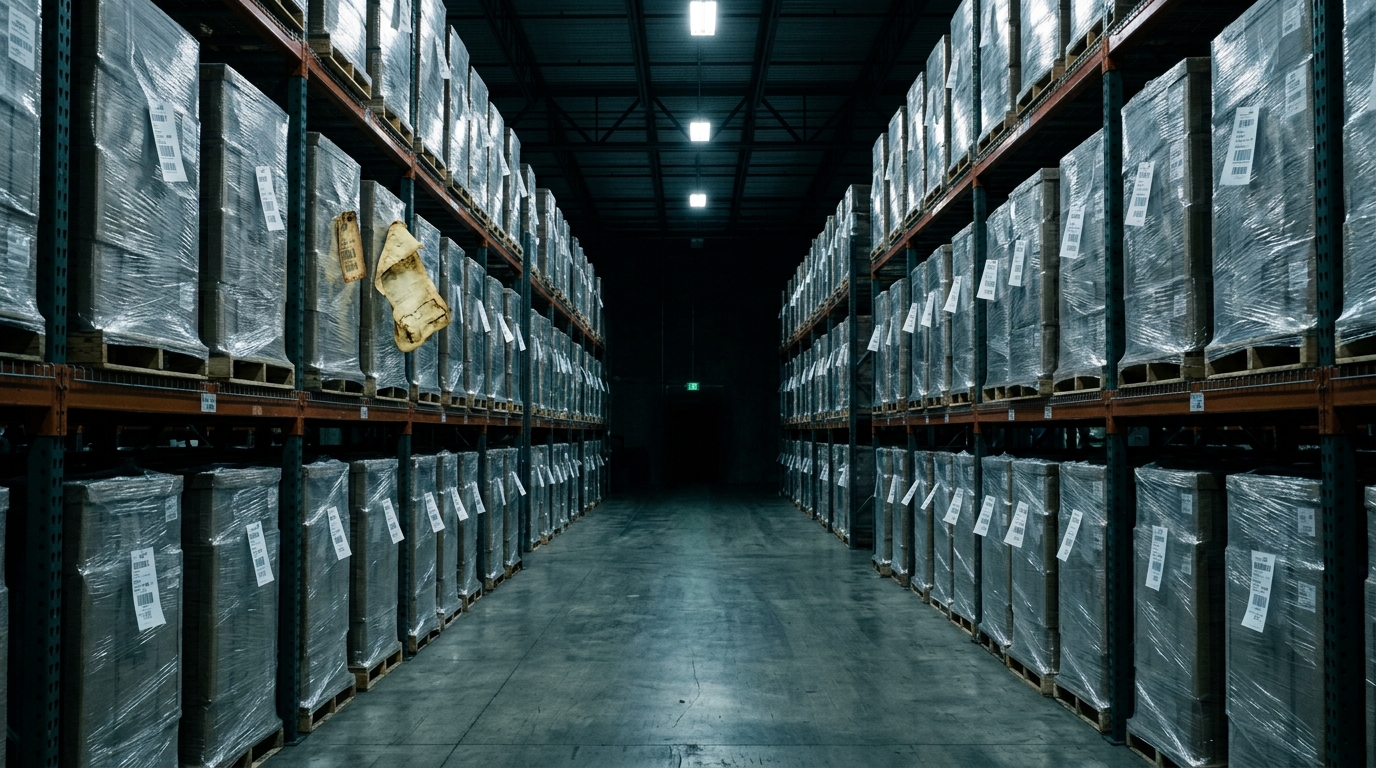
If no party to the transaction has the required importer-of-record standing in the destination country, the ordinary entry process cannot proceed, even if the commercial documents are complete. The underlying issue is structural: an appropriate IOR structure can provide the party required to make the customs declaration, subject to the destination country's rules, the goods' admissibility, and any licensing or regulatory requirements
For shipments where this structure is established in advance, the customs filing can be prepared around the actual declaring party rather than leaving the transaction dependent on finding one after the cargo arrives. This is where an IOR structure becomes a customs requirement rather than simply a logistics service
How IOR Standing Prevents Customs Clearance Delays
The most effective time to identify the importer of record is before the shipment moves. IOR Service holds importer-of-record registrations in 170+ markets, along with the bonds and authorizations required in the relevant jurisdictions.
Where a company does not have an entity with the required standing in the destination market, an appropriate IOR structure can provide the party required to make the customs declaration, subject to local rules
Classification and country of origin can also be verified against the shipment documentation before filing, rather than waiting for an issue to arise at customs. The objective is not simply to have the documents ready; it is to have the right party legally able to file them.
Get Your Shipment Filed on Arrival, Not Held at the Port
Most customs holds can be resolved once the underlying requirement is identified, but the more consequential question should be settled before the shipment moves: who has the legal standing to file the entry?
Tell us your goods, origin, and destination market, and our compliance team can assess the appropriate importer-of-record structure, review classification and country-of-origin requirements, and establish the filing approach before your shipment reaches the port—helping you avoid preventable clearance delays and costly uncertainty.
Direct Line
Available on request
Shared after initial assessment.BACKED BY GCE LOGISTICS
25+ Years of International Trade & Compliance Leadership
Backed by decades of experience in global trade, IOR Service delivers the compliance frameworks, regulatory oversight, and market-entry expertise required for successful international operations. From highly regulated industries to complex cross-border projects, we help organizations move forward with certainty.Frequently Asked Questions
There is no single global limit. In the United States, CBP generally has five business days after presentation for examination to decide whether to release or detain merchandise, followed by a 30-day framework for the final admissibility determination on detained merchandise. General Order is a separate process. Other countries apply different customs deadlines
For commercial freight with complete documentation, a two-week customs delay is longer than the typical operational clearance window and warrants investigation. The cause may be an examination, missing information, a valuation or classification issue, another government agency requirement, or an unresolved filing issue. The key question is not simply how long the shipment has been in customs, but why it has not been released yet.
Four days does not automatically mean that customs has breached a legal deadline, but for commercial freight, it is long enough to investigate if there is no clear explanation. Check whether the entry has been filed, whether customs has requested additional information, whether an examination is pending, or whether another government agency is involved.
There is no single worldwide maximum. In the United States, detained merchandise is subject to a statutory framework that generally requires a final admissibility determination within 30 days from presentation for examination, subject to the applicable rules and exceptions. Failure to make that determination within the applicable period can result in the merchandise being treated as excluded for purposes of the relevant protest provision. General Order has a separate timeline and process.
A seizure is different from an ordinary detention and follows a formal process. If a shipment appears to have stopped without a seizure notice, do not assume it has been seized; instead, establish the actual customs status and determine whether the issue is detention, exclusion, examination, missing information, or another regulatory requirement
The underlying issue remains unresolved, while applicable storage and other charges may continue to accrue. If merchandise is not timely entered or collected, it may move into a General Order process under the applicable US rules, where goods can ultimately be sold if they remain there for six months. The exact consequences depend on the type of notice, the shipment's status, and the applicable jurisdiction.
The Importer of Record is responsible for the customs entry and the applicable import obligations. Where permitted, a licensed customs broker may file the entry as the IOR’s authorized agent, but the broker does not become the importer simply by filing it. Similarly, sellers, carriers, and freight forwarders may perform important logistics functions, but they do not automatically have the legal standing required to make a destination-country customs declaration
The shipment cannot complete the ordinary entry process until a party with the required standing is established. This differs from a missing-document problem: if the commercial documents are complete but no eligible party can make the declaration in the destination country, the issue is the importer-of-record structure. Establishing an appropriate IOR can provide the legal basis for filing the entry, subject to the destination country's rules and the goods' admissibility requirements.
Latest Blogs

What Is an ECCN Number, and Does It Mean You Need a License?
Exporting a product is not simply a matter of knowing what the product is. You also need to know how U.S. export-control regulations classify it. That is the role of an Export Control Classification Number (ECCN). An ECCN identifies the specific category of controlled items to which a product belongs under the U.S. Export Administration Regulations (EAR). But the classification itself does not determine whether the shipment needs a license. The real export-control question comes next: does this classification, combined with the destination, end user, end use, and other applicable controls, allow the shipment to proceed? For exporters dealing with advanced technology, computing equipment, AI hardware, semiconductors, encryption, or telecommunications products, getting that distinction right can determine whether a shipment moves smoothly or requires further regulatory action.

What Is a Consignee? Receiver, Owner, or Importer of Record
A company can be named as the consignee on a shipment and still be unable to clear its own goods. That is because “consignee” describes who is entitled to receive the shipment; it does not automatically determine who owns the goods, who pays the import duties, or who has the legal standing to declare them to customs. These roles often sit with the same company, but they do not have to. A buyer may be the consignee but lack the local registration required to import. A seller may be responsible for duties under the agreed Incoterms rule. An IOR provider may have the customs standing needed to make the declaration. Understanding that distinction matters because a shipment can have the correct consignee, complete shipping documents, and still be unable to clear customs.
Bill of Lading: What It Does, Which Types Are Negotiable, and Who Issues It
Every bill of lading sits between three key parties: the shipper, who supplies the goods and shipment information; the carrier, who transports the goods and issues the document; and the consignee, who is identified to receive them. The bill of lading itself performs three core functions: it serves as a receipt for the goods, provides evidence of the contract of carriage, and, in its negotiable forms, can function as a document of title. The distinction between negotiable and non-negotiable bills is particularly important because it determines whether control of the goods can be transferred through the document while the cargo is still in transit. The document's issuer, consignee, notify party, and other fields can also affect how the shipment is handled at destination.