ITAR vs EAR: How to Tell Which One Controls Your Product
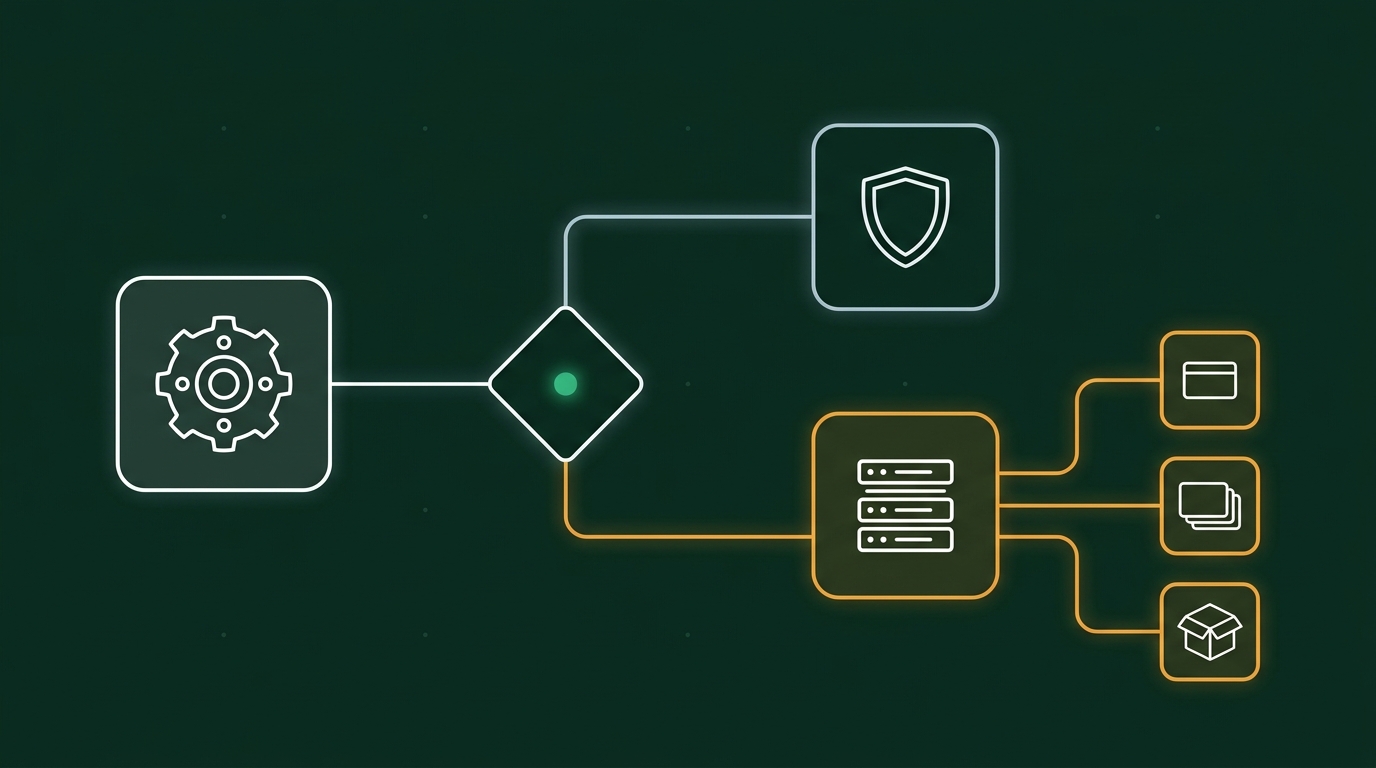
Two parts sit on the same pallet, bound for the same military aircraft program. One ships under State Department rules, the other under Commerce Department rules, and nothing on the box tells you which is which. The International Traffic in Arms Regulations (ITAR) govern defense articles on the US Munitions List (USML).
The Export Administration Regulations (EAR) govern dual-use and commercial items on the Commerce Control List (CCL). Which list describes each part decides who has to be in place before the pallet moves.
The Split in One View
There are two regimes, two lists, and two departments. Almost every other difference follows from which list describes the item.
ITAR | EAR | |
|---|---|---|
What it covers | Defense articles, defense services and related technical data | Dual-use, commercial and some military items |
The list | US Munitions List (USML), 21 categories | Commerce Control List (CCL), plus the EAR99 designation for unlisted items |
Administered by | Directorate of Defense Trade Controls (DDTC), Department of State | Bureau of Industry and Security (BIS), Department of Commerce |
Legal basis | Arms Export Control Act; 22 CFR Parts 120 to 130 | Export Control Reform Act of 2018; 15 CFR Parts 730 to 774 |
Registration | Mandatory for manufacturers, exporters, and brokers of defense articles | Not required |
Licensing | Required for nearly all exports, including technical data; exemptions are narrow | Depends on the item, destination, end user and end use |
Unlisted items | No equivalent: if the USML describes it, it is controlled | EAR99, which generally exports without a license |
On a single aerospace or defense program, both regimes commonly apply, to different items or at different stages. The determination is made item by item, not program by program.
Which Is Stricter, ITAR or EAR?
ITAR is stricter, for four reasons:
Registration comes first. Manufacturers, exporters and brokers of defense articles must register with DDTC, whether or not anything has shipped.
Licenses cover almost everything. They are required for nearly all exports, including technical data and defense services, and ITAR exemptions are narrow.
Nothing falls outside control. There is no EAR99 equivalent, so everything the USML describes is controlled.
Control follows the article. A US-origin defense article stays controlled even after it is built into a foreign product. ITAR has no de minimis rule like the EAR's.
How Jurisdiction Is Actually Determined?
Jurisdiction comes before classification, and the review runs in a fixed order.
Check the US Munitions List first. If the item is described there, ITAR applies, and the EAR does not.
If it is not on the USML, check the Commerce Control List. A matching entry places the item under the EAR, and the ECCN that entry gives the item drives the licensing analysis.
If neither list describes it, the item is still subject to the EAR. It carries the EAR99 designation reserved for items that neither list describes.
What "Specially Designed" Means
Many USML entries turn on whether an item was specially designed for a military application. Both regimes formally define the term, and it is narrower than it sounds.
A component used in a defense system is not automatically a defense article, and items with established commercial uses can be released from the definition. How the item will be used after export is not, by itself, a factor.
When the Answer Is Unclear: Commodity Jurisdiction
Where the answer is genuinely unclear, the exporter can ask DDTC for a Commodity Jurisdiction determination on Form DS-4076. It takes time, and it produces a formal ruling on which regime controls the item. It is not the same as a BIS classification request, which assumes the EAR already applies.
Why a Military Item Can Still Be EAR-Controlled?
Export Control Reform, which began taking effect in 2013, moved substantial categories of military hardware off the USML and onto the CCL. Most of these items now sit in 600-series entries, including many military aircraft parts and military gas turbine engines. Certain firearms and ammunition followed into 500-series entries in 2020. These items remain controlled and usually still need a license, but BIS administers them under the EAR, not DDTC under ITAR.
The line keeps moving in both directions. DDTC revised 15 of the 21 USML categories in 2025, adding some items and releasing others. That is why defense and aerospace shipments in practice start from the current lists, never from the assumption that military means ITAR.
What Getting It Wrong Costs?
The most common ITAR violations are:
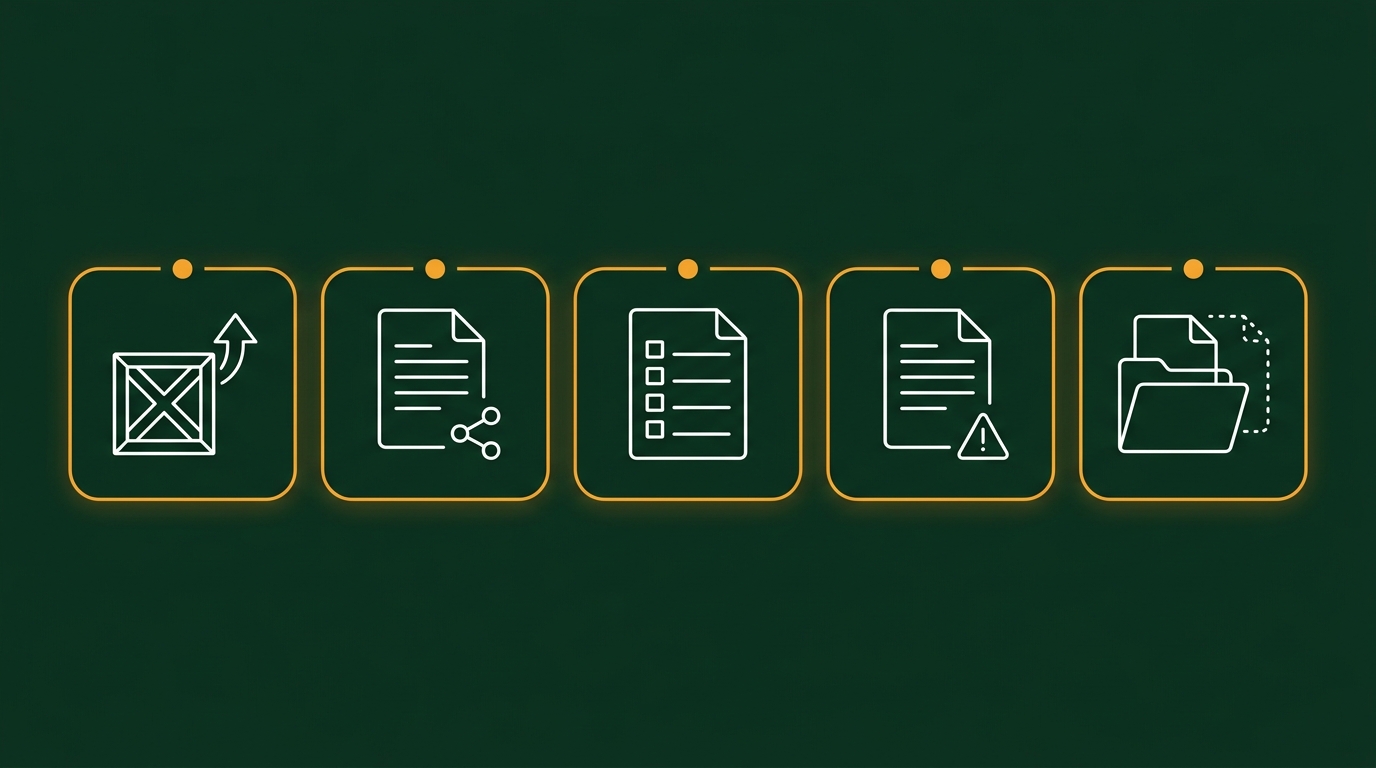
Exporting a defense article or technical data without authorization.
Releasing technical data to a foreign person without a license, whether by email, in a meeting, or by granting system access.
Failing to register with DDTC when registration was required.
Making false or misleading statements on a license application or export record.
Recordkeeping failures, where the activity may have been authorized but cannot be shown to be.
Most trace back to a skipped step: jurisdiction, licensing, or screening every party to the transaction.
Which Regime Applies Changes Who Has to Be in Place?
The jurisdiction answer decides which parties must be registered, which must be named on a license, and when. That makes it a step before the commercial commitment, not after.
Path | What applies | Where IOR Service sits |
|---|---|---|
EAR, 600-series entry | Military in nature, CCL-controlled, administered by BIS. Licenses are commonly required, depending on destination, end user, and end use. | Full Exporter of Record and Importer of Record scope. IOR Service classifies against the CCL, screens the parties, files the declaration under its registration, and clears the goods at destination. |
EAR, other CCL entry or EAR99 | Dual-use or commercial items, including most technology hardware. Licensing depends on the ECCN, destination, end user, and end use. | Standard scope, and the routine case for most technology shipments. |
ITAR, USML defense article | Administered by DDTC. The US export leg needs a DDTC-registered exporter holding the license, usually a DSP-5 for a permanent export. | Narrower and more specific. The license stays with the registered exporter, and IOR Service coordinates the documentation around it. The application names the foreign consignee and end user, a role IOR Service can fill as importer of record in the destination market, within the license terms. |
Final Thoughts
ITAR vs EAR is rarely a question of which regime is tougher. It is a question of which one has a claim on the item, and that answer arrives before anything else: before classification, before the license, before the first party is named.
A military part can sit under Commerce rules, and a commercial-looking component can sit on the Munitions List. Settle jurisdiction first, item by item, and every later step follows from a determination that will hold.
The Right License. The Right Parties. In Place Before It Moves.
One review settles which regime controls your item. One registered entity screens the parties, files the declarations, and clears the goods at destination.
Your next defense or dual-use shipment moves on a determination made before it ships, not after.
Direct Line
Available on request
Shared after initial assessment.BACKED BY GCE LOGISTICS
25+ Years of International Trade & Compliance Leadership
Backed by decades of experience in global trade, IOR Service delivers the compliance frameworks, regulatory oversight, and market-entry expertise required for successful international operations. From highly regulated industries to complex cross-border projects, we help organizations move forward with certainty.Frequently Asked Questions
The lists, checked in order. If the item is described on the US Munitions List, ITAR applies. If not, the Commerce Control List is checked, and an entry there gives the item an ECCN under the EAR. If neither describes it, it is EAR99. USML entries often turn on whether the item was specially designed for a military application. That term is formally defined and narrower than it sounds.
A willful one is. Willful violations are federal crimes and carry imprisonment as well as fines, while violations that are not willful are handled as civil matters. Both regimes can also cut off export privileges, and ITAR allows debarment from regulated activity altogether. Civil maximums are set by statute and adjusted for inflation every year, so published figures date quickly.
What the item is, where it is going, who will receive it, and what they will use it for. Classification answers the first. The destination, the end user, and the end use answer the other three. Any one of them can require a license, even where the item itself is lightly controlled or unlisted.
No, the two are mutually exclusive. EAR99 applies to items subject to the Export Administration Regulations that no entry on the Commerce Control List describes. An ITAR-controlled item is described on the US Munitions List, so it can never carry the EAR99 designation.
Yes, and more often than exporters assume. Export Control Reform moved substantial categories of military hardware from the US Munitions List onto the Commerce Control List, mostly into 600-series entries. Those items remain controlled and usually need licenses, but BIS administers them under the EAR rather than DDTC under ITAR. The practical result is a different licensing route and a different set of registered parties.
Latest Blogs

What is an ESMA certificate? UAE product certification explained
Many businesses preparing to sell in the UAE are told they need “ESMA approval”. They then go looking for an authority that no longer runs the scheme. The Emirates Authority for Standardization and Metrology (ESMA) was merged into the Ministry of Industry and Advanced Technology (MoIAT) in 2020. The certification it was known for still exists, and the market still calls it by the old name. Knowing where it sits now saves weeks of applying to the wrong place. An ESMA certificate, as the market calls it, is UAE product conformity approval. It shows that a regulated product meets the applicable UAE, GCC, or international standards before it is sold. Today, it is issued under two MoIAT schemes: the Emirates Conformity Assessment Scheme (ECAS) and the Emirates Quality Mark (EQM). The legal basis is Federal Law No. 28 of 2001. The schemes are federal, so the same rules apply in every emirate. Because approval comes before market entry, the scheme follows the same principle as pre-shipment conformity verification in other markets.

What is TDRA approval? UAE type approval for wireless and telecom devices
Your device may already carry CE marking, have passed its RED tests, and be sold across Europe, and still be stopped at a UAE port. Almost every device sold today has a wireless function. In the UAE, that function needs its own approval before the product can be imported, sold, or even switched on, and the application cannot start until a UAE-registered dealer is in place. TDRA approval, formally called type approval, is that authorization. It is issued by the Telecommunications and Digital Government Regulatory Authority (TDRA) and confirms that a device meets UAE technical standards and will not interfere with national networks. It applies to radio and telecommunications terminal equipment (RTTE), meaning any equipment that connects directly to a public telecommunications network or contains an intentional radio transmitter. TDRA was known as the Telecommunications Regulatory Authority (TRA) until it was renamed in 2021. It is a federal regulator, so one approval covers every emirate.

EAR99: What the Designation Means, and When it Still Needs a License
EAR99 tells you what an item is not. Under the US Export Administration Regulations (EAR), it marks goods that fall under the regulations but are not listed on the Commerce Control List (CCL). What it does not tell you is where the item may go, who may receive it, or what it may be used for. Most shipments clear all three without a license. Some do not.